If you’re planning a residential painting project, one of the first questions to ask is whether you need primer. At Tabora Painting, we know (and you probably do too) that primer can make a major difference in how paint looks, how well it adheres, and how long it lasts. But primer is not always required. The right choice depends on the surface, its condition, and the type of project you are tackling.
This guide explains when primer is needed before painting, when you may be able to skip it, and how proper prep supports a better-looking, longer-lasting finish. Whether you are refreshing a bedroom, repainting cabinets, or updating an exterior surface, understanding primer can help you avoid common paint problems and make smarter decisions for your home.
Quick Answer:
When Do You Need Primer?
You need primer if you are painting bare wood, raw drywall, covering stubborn stains, making a dramatic color change, or painting exterior surfaces after scraping and sanding. You may skip primer only if the existing paint is clean, sound, in good condition, and you are painting a similar color.
What Is Primer in Painting?
Primer is not just white paint. Primer contains more binding resin and special adhesives designed to stick to raw surfaces. Paint contains more color pigment and is made to look nice and protect the finish.
We like to compare primer to a makeup artist’s foundation; as a first step it creates a smooth, even canvas to apply the blush, highlighter, bronzer and eyeshadow. Like foundation, primer is a preparatory coating applied before paint. Its purpose is to help paint bond better to the surface, create a more even base, and improve coverage. In many residential painting projects, primer is an important part of the process because it helps seal porous materials, block stains, and reduce uneven absorption.
When a surface is new, repaired, stained, or difficult to coat evenly, primer helps create the right foundation for the topcoat. That is why professional painters often recommend it for surfaces that need extra preparation before painting begins.
5 Situations When You Need Primer Before Painting
Due to advancements in paint chemistry, modern manufacturers have developed high-performance alternatives that minimize or eliminate these chemical emissions without sacrificing durability or color retention.
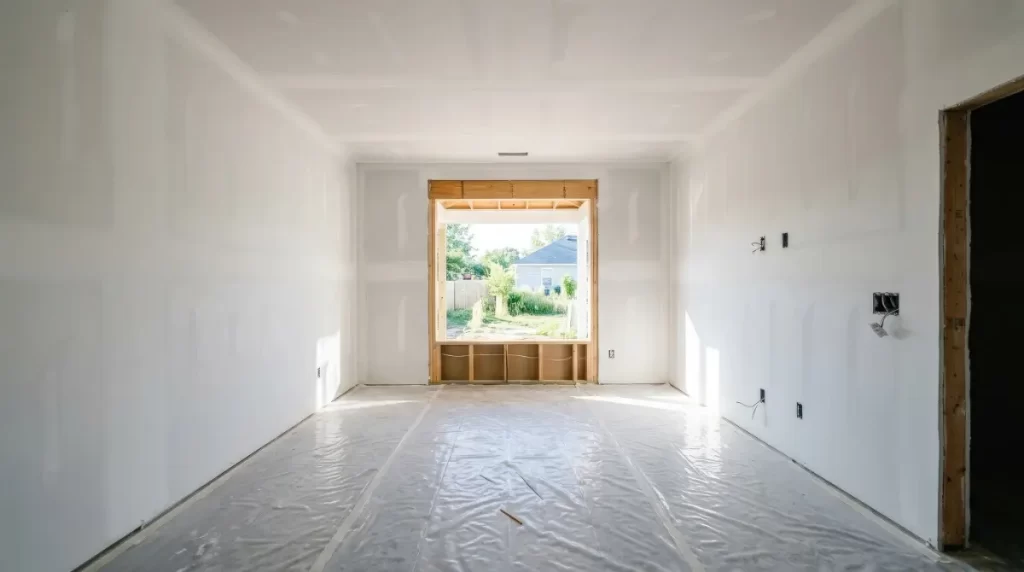
- Primer is usually needed when the surface is bare, patched, or unstable. Bare drywall, raw wood, and repaired areas can absorb paint unevenly if they are not primed first. That can leave walls or trim looking blotchy, dull, or inconsistent after the finish coat dries.
- You should also consider primer if you are covering stains or discoloration. Water marks, smoke stains, tannin bleed, and similar issues can show through fresh paint if they are not sealed properly. A good primer helps block those marks and gives the finish coat a cleaner base.
- Another common reason to prime is a major color change. If you are going from dark paint to a lighter shade, or from a bold color to a more neutral look, primer can help the new paint cover more evenly. It may also reduce the number of coats needed to get the look you want.
- For exterior painting projects, primer is often important after scraping, sanding, or repairing damaged areas. If wood is exposed, old paint is failing, or the surface has already been affected by weather, primer helps the new coating adhere better and perform longer.
- Finally, if you are painting raw, porous, or previously unpainted materials like new drywall, masonry, or raw wood, primer is essential to prevent the surface from soaking up your expensive finish coat unevenly.
When You May Not Need Primer
Primer is not necessary for every project. If you are painting over a surface that is painted, clean, sound, and in good condition, you may not need a separate primer coat. This is especially true when the new color is close to the existing color, and the surface is free from stains, repairs, or other problem areas.
In some cases, high-quality paint may provide enough coverage on its own for a simple repaint. Paint-and-primer-in-one products can also work well for certain jobs. Still, they are not a replacement for true primer when the surface needs sealing, stain blocking, or stronger adhesion.
That is why it is important to evaluate the condition of the surface instead of assuming primer is always required or always optional.
How Tabora Painting Evaluates Primer Needs
We want to see your project up close! At Tabora Painting, we come to your property to examine the surface before making a recommendation. We consider the material, the condition of the area, whether repairs have been made, and how the new paint will interact with the existing surface.
That matters across many residential painting services, including:
- interior painting
- drywall repair and patching
- cabinet painting
- wallpaper removal
- exterior painting
- trim and woodwork painting
A surface that looks ready at first glance may still need primer to help the finish coat look better and last longer. Our goal is to recommend the right prep for the project, not just the fastest one.
What Happens If You Skip Primer?
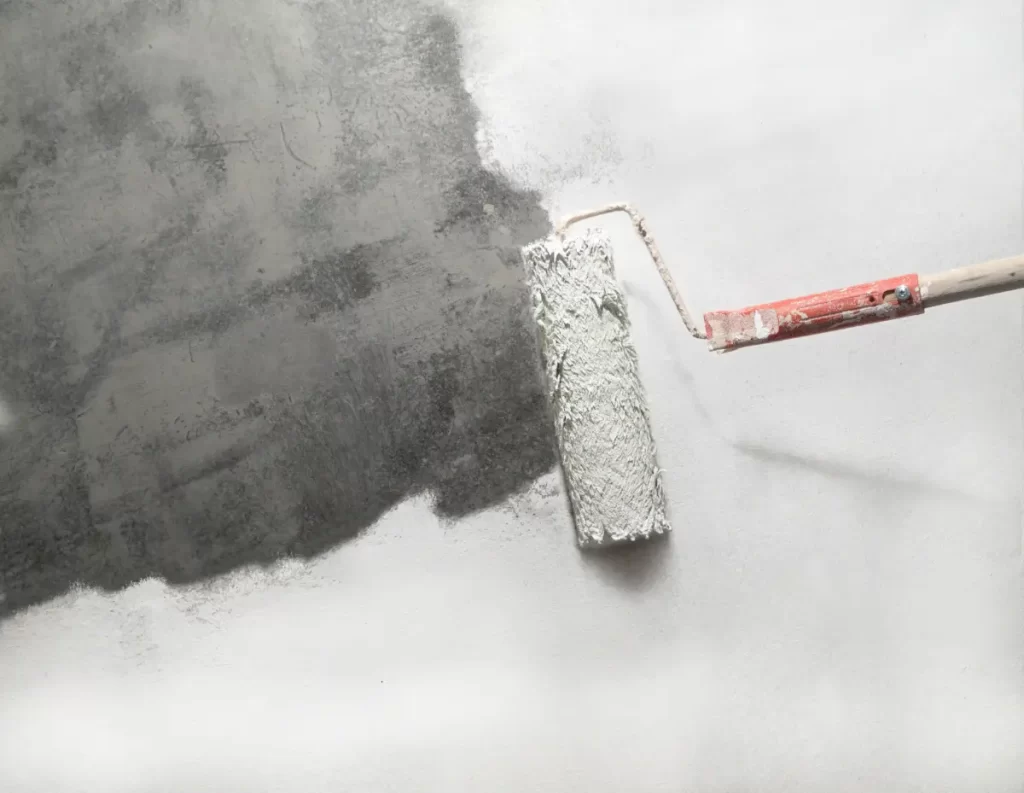
Skipping primer can cause a range of paint problems. The finish may not adhere properly, which can lead to peeling or early wear. Coverage may look uneven, especially over patched spots or dramatic color changes. Stains can bleed through. Porous materials may absorb paint inconsistently, creating dull or patchy areas.
Over time, that can shorten the life of the paint job and lead to more touch-ups or repainting sooner than expected. Primer is not just another step. In the right situation, it protects the quality of the final result.
Why Surface Preparation Matters
Primer works best as part of a full prep process. Cleaning, sanding, patching, and caulking all help create a better foundation for paint. If the surface is dirty, glossy, damaged, or unstable, primer alone will not solve the problem.
That is why preparation is such an important part of professional residential painting. When the surface is properly prepped, primer can do its job more effectively, and the topcoat can deliver a smoother, more durable finish.
Interior vs. Exterior Primer Needs
The need for primer can be different indoors and outdoors. Inside the home, primer is often important for drywall repairs, stain coverage, cabinets, and wallpaper removal projects. These surfaces may need extra sealing or smoothing before finish paint goes on.
Outside the home, primer becomes even more important when paint has failed, wood has been exposed, or weather has damaged the surface. Exterior surfaces deal with moisture, sun, and temperature changes, so a strong base coat can help support better long-term performance.
Frequently Asked Questions About Low-VOC Paints
No, not always. If the surface is already painted, in good condition, and close to the new color, primer may not be necessary.
You may get uneven coverage, poor adhesion, stain bleed-through, or a finish that wears out sooner than expected.
Sometimes. Repainting a clean, stable wall in a similar color may not require primer, but patched areas, stains, and big color changes often do.
Not completely. They can work for some simple jobs, but they do not replace primer when a surface needs sealing, stain blocking, or better adhesion.
In most cases, yes. Cabinets often need careful prep and primer to help the finish coat bond and hold up to daily use.
If you are making a drastic color change, like going from a white to a dark red, tinting your primer can bridge the gap between the two colors. As a rule, don’t tint your primer more than 50% of your paint color. More than that and you risk weakening the effectiveness of the primer.
Final Thoughts from the Tabora Team
Primer is not required for every residential painting project, but it is often essential for achieving the best results. It helps paint adhere better, improves coverage, and supports a finish that looks more even and lasts longer.
At Tabora Painting, helping homeowners throughout Landisville, Lancaster, and surrounding PA communities means we know the right prep leads to better painting results. If your project needs primer, we will recommend it. If it does not, we will not add unnecessary steps. That is part of delivering an honest, professional approach to local residential painting.
Get A Free Estimate!
Ready to transform your home or business with a fresh coat of expertly applied paint? Contact Tabora Painting today for a free consultation. Let our experienced team bring color and life to your spaces, tailored to your unique vision and needs.